

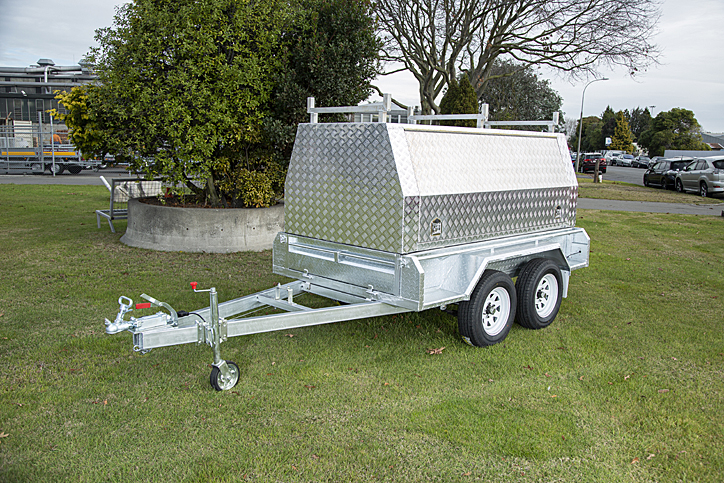
If you are comparing trailers before you buy, the tandem trailer question comes up quickly: is the extra cost worth it, or will a single axle trailer do the job just as well? The answer depends on what you are hauling, how often, and what you are towing with, rather than one type winning outright.
This guide breaks down the practical differences so you can match the trailer to the job, not the other way around.
What Is the Difference Between a Tandem and a Single Axle Trailer?
A single axle trailer runs on one axle and one pair of wheels, which keeps it lighter, easier to manoeuvre and generally simpler to maintain. A tandem axle trailer, sometimes called a double axle trailer, has two axles set close together. That second axle spreads the load across four wheels instead of two, which improves stability and lifts the total weight the trailer can safely carry.
Stability matters when a trailer is fully loaded. Weight sitting unevenly or further back can make a single axle trailer sway at speed, in windy conditions, or on the open road. A tandem’s second axle helps keep a heavier load level, which is why it feels more settled towing at highway speed.
When a Single Axle Trailer Is the Right Choice
A single axle trailer suits lighter, more occasional jobs where ease of use matters more than maximum capacity.
- Light to moderate loads, such as garden waste, camping gear or a small furniture move
- Towing with a smaller car or SUV
- Manoeuvring and reversing in tight driveways or yards
- Lower running costs, with fewer tyres and bearings to maintain
If your loads stay light and most trips are around town, a single axle trailer is often all you need.
When a Tandem Trailer Is Worth the Extra Cost
Once you start browsing tandem trailers for sale, you will notice load ratings climb quickly. A tandem trailer earns its keep once loads get heavier or trips get longer. The second axle keeps the trailer stable at speed and on uneven ground. For trade, commercial and rural loads, the higher load rating a tandem axle trailer offers is often the deciding factor.
- Hauling heavier building materials, machinery or livestock
- Regular highway towing where stability matters
- Loads close to or at the limit of a single axle’s rating
- Extra confidence on longer trips, thanks to the backup wheel if a tyre fails
A tandem trailer is a bigger investment, so it is worth weighing the extra cost against how often you will actually use that extra capacity. If the numbers make sense but the upfront cost is the sticking point, a trailer finance option can help spread the cost over time.
Running Costs Are Different Too
The extra cost of a tandem trailer does not stop at the purchase price. Two axles mean two sets of tyres and bearings to maintain instead of one. None of this is dramatic, but it is worth weighing up alongside the purchase price when you are deciding whether the extra capacity earns its keep.
Towing Requirements and Load Ratings to Check
Before you decide, check what your tow vehicle is rated to pull, and compare that against the trailer’s total loaded weight and what you plan to carry. The trailer’s total loaded weight must stay within your vehicle’s rated towing capacity, regardless of whether you choose a single or tandem axle configuration. It is also worth checking your tow ball weight limit, not just the overall towing capacity, since a trailer loaded unevenly front to back can put more strain on the tow ball than the total weight alone suggests. If you are not sure how the numbers stack up for your ute, wagon or 4WD, it is worth talking it through with someone who knows the range rather than guessing.
Which Trailer Is Right for You?
There is no single right answer, only the right trailer for what you are doing. As a rough guide:
- Choose a single axle trailer if your loads are light, your trips are local, and manoeuvrability matters most.
- Choose a tandem trailer if you are regularly hauling heavier loads, towing long distances, or want the extra stability and backup a second axle provides.
Find the Right Trailer for the Job
Whichever way you lean, Elite Trailers is NZ-owned and operated, with a strong, wide range of single axle and tandem trailers built tough for New Zealand conditions. Every trailer is backed by the same service standard and expert local support from display yards in Auckland and Christchurch, so it is easy to find something reliable and long-lasting for the job.
One practical way to make a decision is to see the options side by side. Visit Elite’s display yard to compare the two in person, or talk to the team about your specific load and towing setup.
Find the right trailer, or browse our tandem axle trailer range to see what is available now.


